Corns and Calluses
Corns and Calluses are thickened areas of skin that develop on the feet in response to pressure or friction. They can be uncomfortable or painful when walking or standing for long periods of time. We should note that corns and calluses are not the same thing. Corns are typically smaller and deeper than calluses, and have a hard center surrounded by swollen skin. Corns often form at the top of the toes or the outer edge of the small toe, and soft corns tend to form between the toes.

Calluses are really painful and tend to develop on pressure spots such as the heels, balls of the feet, palms and knees. They may vary in shape and size and are often larger than corns.
What are the causes of Corns and Calluses?
Corns and calluses are caused by friction and pressure by repeated actions, such as the rubbing of your shoes on your little toe or heel. Some sources of this pressure and friction include;
- Wearing shoes without socks can cause friction on your feet
- Biomechanics; the way your foot moves
What treatment can I try if I have Corns and Calluses?
There are a few simple things you can try at home if you suffer from Corns or Calluses to help reduce the pain. You could try the following;
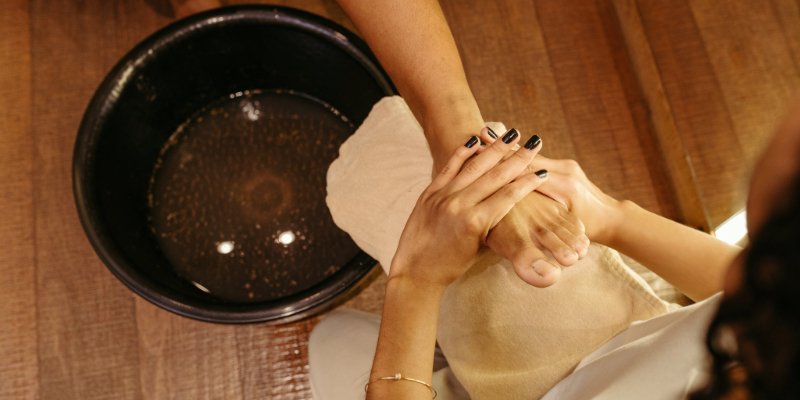
- Soaking feet in warm water and using a pumice stone
- Apply moisturiser or foot cream to keep the skin soft
- Wear correct fitting shoes. We can help with this one!
- See a podiatrist or consider a Gait Analysis appointment
What can I do to prevent Corns and Calluses?
Corns and Calluses are not often serious, but there are some things you can try to get rid of them yourself and stop them from coming back.
- Wear shoes that give your toes plenty of room
- Use soft insoles or heel pads in your shoes
- Wear pads or bandages where needed
- Try toe separators or lambs wool between your toes
What shoes would we recommend?
Our expert advice would be to visit your local shoe shop where they can professionally measure your feet. See if there's a Charles Clinkard near you here.
We would suggest;
- A low heel and soft sole
- Adequate cushioning to reduce pressure on sensitive areas
- Stretchable materials in the shoe uppers
- Shoes with a wide toe box, reducing friction and pressure