Anyone with even the smallest space can grow their own herbs, and why wouldn’t you? The rewards reaped from your sowing can be great – good enough to eat – with some home grown herbs transforming any meal into a truly tasty dish.
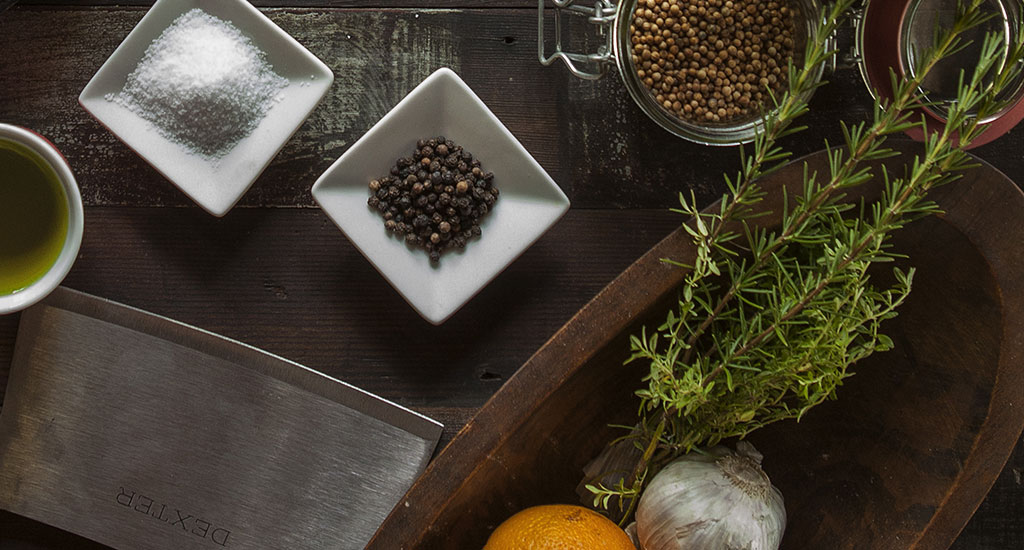
Growing your own herbs at home may sound like a hassle, but you don’t need to be a gardening enthusiast to get a herb garden on-the-go. Buying herbs to add to your cooking can really add up – but sitting some plants on your kitchen windowsill can make your kitchen smell fantastic, as well as adding some flavour to your dishes whenever you need it whilst keeping costs low. A freshly snipped sprig of lovingly grown basil, mint or coriander adds a level of completeness to your cooking that you simply can’t buy in a jar!
We’ve been getting green-fingered and having a go at growing our own herbs. From complete novices to the highly horticultured, here’s what we’ve picked up along the way…
- Find your space
No kitchen is too small. You don’t need much space to grow your own herbs; windowsill, porch, yard or garden, there’s always space for a planter or two. - Choose your herbs
Some of our favourites and most frequently used include:
Basil – goes great in Italian dishes and will grow happily in a container on a sunny windowsill. Perfect to plant at the end of March/April, water in the mornings if it’s dry.
Oregano – Ideal for Italian, Mexican and Spanish dishes, oregano seeds need light to germinate so only cover lightly with soil, and keep well drained.
Thyme – Add flavour to more Mediterranean meals with Thyme. This is a plant that will grow better the less fuss it’s given – watering too much can rot the plant and it likes a sunny location. The most fragrant of our crop, it is sometimes found in perfume and has long been used medicinally for its antiseptic properties. - Grow herbs from seed
It’s much better to sow the seeds yourself, rather than buy plants, as you know that no unsavoury pesticides or fertilisers have gone into them. Often, shop-bought plants wither once they arrive home because of their dependency on the chemicals they were given to make them seem lush and green.
- Create a microclimate
To get started, fill small pots with moist compost then sprinkle in a few seeds. Cover with a loose layer of compost before wrapping the top of the pot with clingfilm. This works like a greenhouse to create a warm environment in which the seeds can germinate. - Rehome your seedlings
After about five weeks, the seedlings will develop their first proper leaves. Just like a teenager, they’re going to need their own space, so it’s time to trasplant each one into a separate pot. Here’ll they’ll begin to flourish and provide you with bundles of fragrant, fresh herbs that you can simply snip and add to your cooking. - Look for recipes
There’s very few dishes that won’t benefit from a sprinkling of tasty herbs – as long as you add the right ones of course! If you find yourself with more herbs than you can handle, why not have a go at making your own pesto? You can also freeze your herbs, or dry them to use later.
Our plants are only seedlings at the moment so we won’t be munching them for a while, but we can’t wait to add some home-grown flavours to our lunches! We’ll keep you updated on our progress and what we cook with them when they’re fully grown.
Have you had a go at growing your own herbs? Tag us in some snaps of your plants and tell us any gardening tips you have to help us make our office greener!