Men’s Style: The Etymology Of Shoes
Chances are you own at least one of these styles. But as you pull/lace/slip them on and step out into the world have you ever wondered whose style footsteps you’re following in? Read on to discover the historical origins of these classic styles.

Desert Boots
An ever popular style, desert boots are characterised by their suede uppers, four lace eyelets and crepe rubber soles. The style was originally worn by British Eighth Army officers serving in North Africa with the Khan el-Khalili Bazaar in Cairo most commonly cited as their place of manufacture. The boots features made them popular among soldiers who found their traditional military boots too heavy for the desert terrain.
“The style draws inspiration from the South African ‘Veldskeon’ boots, a popular footwear choice thanks to their simple yet durable design.”
So how did they go from desert army essential to wardrobe staple? Well we have a certain Mr Nathan Clark, the great grandson of Clark’s founders, to thank for that. Mr Clark was stationed in Burma during the 1940s and it was then that he first noticed the shoes being worn. He immediately saw the commercial potential of their style and comfort and took the design back home to his family’s shoe manufacturing company. The desert boot as we all recognise it today was launched by Clark’s at the 1949 Chicago Shoe Fair. A highly versatile style that can be dressed up, down or sidewise, the Desert Boot has earned its place in the shoe hall of fame.
SHOP MEN’S DESERT BOOTS

Chelsea Boots
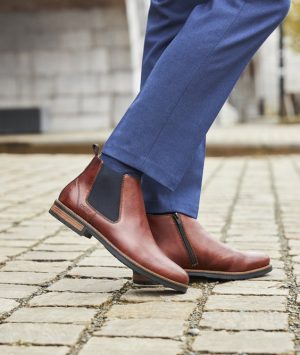
Instantly recognisable and worn by everyone from the Beatles to the Rolling Stones, Chelsea Boots are a truly iconic style.Characterised by their elastic side panels, the style was designed by Joseph Sparkes-Hall in the mid 1800s. Sprakes-Hall was famous for being the official shoemaker of Queen Victoria, a royal connection that helped to popularise his designs.
“The boots were originally named and patented as ‘J. Sparkes-Hall’s Patent Elastic Ankle Boots.”
To discover how they then became known as ‘Chelsea Boots’ we need to fast forward to the 1950s and 60s when the style became a huge part of the British fashion scene and gained iconic status within Mod culture. It was at this time that the name ‘Chelsea’ became associated with the style thanks to their popularity among the King’s Road set of Chelsea, London.
SHOP MEN’S CHELSEA BOOTS
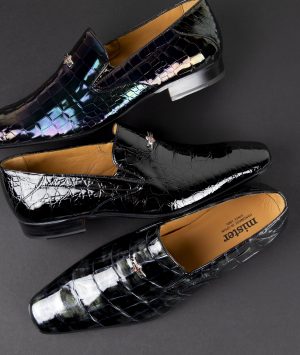
Monk Shoes
Monk shoes are a formal style of shoe that doesn’t feature laces, the shoes are kept secure by buckle fastening straps, also known as monk straps. The unique design of these shoes have earned them a slight reputation as a bold choice and style experts place them somewhere between Oxford and Derby shoes on the formal scale.
“As the name suggests, these shoes were originally created and worn by those world renowned trend setters, Medieval monks.”
Monks had traditionally worn open toe sandals but as these left their toes exposed to the dangers of monastery life they began to seek a more protective style of footwear. The concept was simple, add a protective toe cap to their existing sandals and create a pair of shoes that would offer protection but remain in keeping with their very traditional look. Today, the style has evolved a lot but the core features of a toe cap and the buckle strap preserve their humble beginnings for posterity.
SHOP MEN’S MONK SHOES
Oxford Shoes
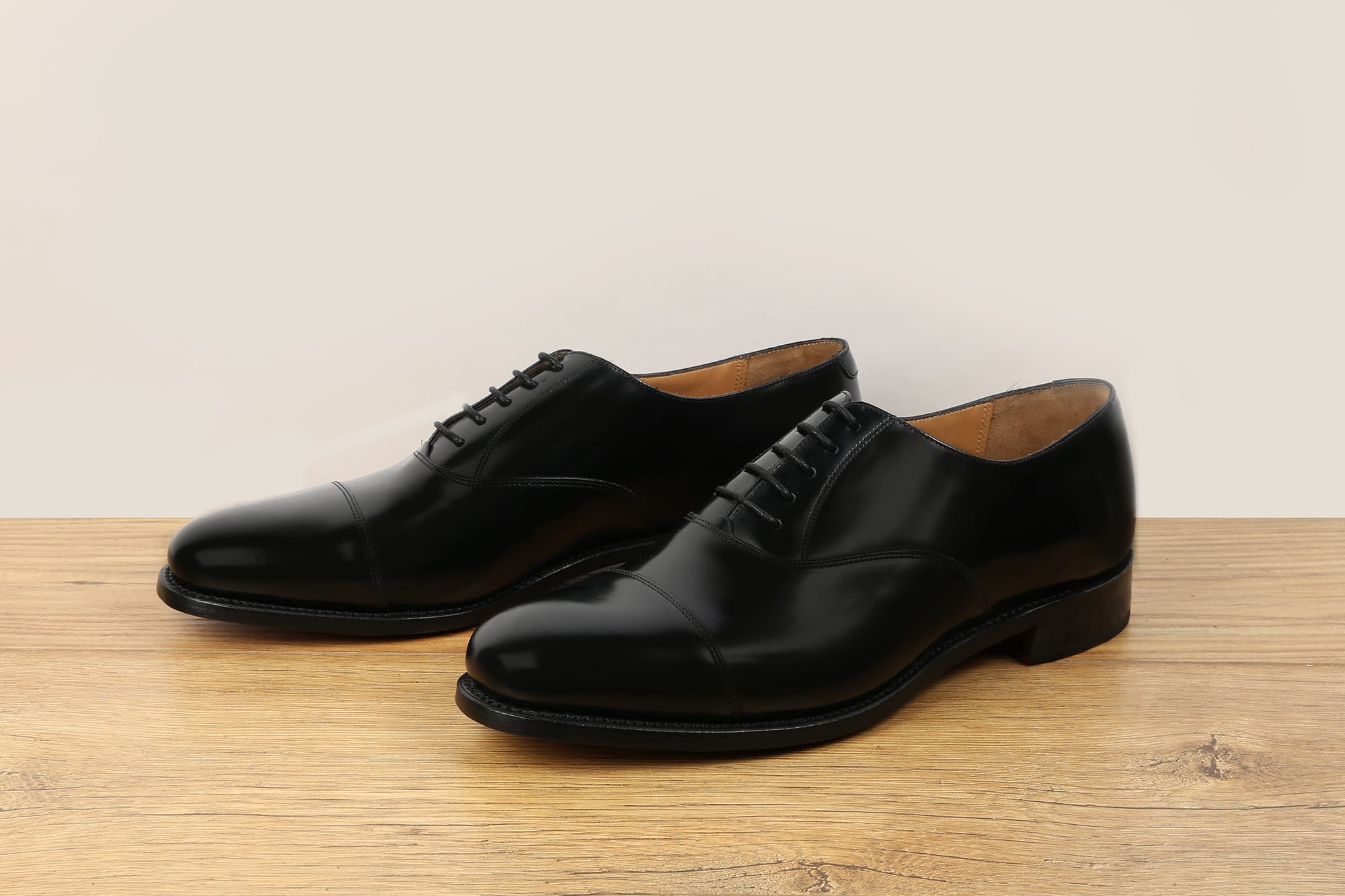
Oxford shoes are identified by their closed lace style. Closed lacing is where the shoelace eyelets are attached under the vamp to create a more streamlined look that makes the shoes seem as if they have been crafted from a single piece of leather. Traditionally, Oxfords are a plain style that are usually manufactured in black or brown. However, in recent years they have evolved to include a wide range of colours and materials.
“There are conflicting stories about who wore the Oxford first with both Scotland and England claiming it as their own.”
The shoes are even sometimes referred to as ‘Balmorals’ after Balmoral castle in Scotland. As for gaining their ‘Oxford’ title, the name is taken directly from Oxford university where the shoes became very popular among students in the 1800’s. The students were seeking to find an alternative to the very traditional, high boots that were commonplace on campus and the smart style and high comfort levels of Oxford Shoes made them an instant hit. It is somewhat ironic that what is now a symbol of classic formal tradition was initially popularised by trendy students.
SHOP MEN’S OXFORD SHOES
SHOP MEN’S