Choosing a new pair of boots can be almost as difficult as naming your first born. Colour, style, price and trendiness all compete for primacy. Add to that list versatility, longevity, warm when cold and cool when warm, and you have a perfect storm of boot-buying. Where do you even start?
The good news is you don’t need to be an expert to know what to look for. A pair of boots should boast ample traction, provide plenty of support and allow you to look great, even when the weather isn’t. So, regardless of if you want to work a pair of work boots or keep it classic in Chelsea boots, read on to find out everything you need to know about buying boots.
Men’s Boots

Boots are the ideal choice of footwear for when winter arrives. Comfortable, stylish, and much warmer than shoes, boots are a winter essential for a reason.
There are many styles of men’s boots, but most can be placed in one of five categories: Chelsea boots, chukka boots, dress boots, technical boots and wellingtons. We recommend that every man’s winter wardrobe should include at least two pairs of boots, as they’re ideal for both smart work and casual weekend wardrobes.
Here’s a breakdown of the different styles of boot available to give you an idea of what’s out there and how to wear them.
Chelsea Boots
The Chelsea boot is a classic design that was invented in the Victorian era, by royally-appointed shoemaker J Sparkes-Hall. While originally designed as an easy-to-remove riding boot, their name was derived from the 1950s and 1960s Chelsea scene, when they were the pair to be seen in around London’s trendiest neighbourhood.
Distinguished by their elasticated side panels, Chelsea boots are arguably one of the most versatile footwear silhouettes a man can own. Whether it’s a formal, casual or somewhere in between, the Chelsea boot can easily be dressed to suit the occasion, working just as well with jeans as they do with a suit. Because the Chelsea boot is a timeless style that never drops off the menswear fashion radar, you can feel safe in the knowledge that you’ll get your cost-per-wear from a good pair.
Polished Chelsea boots are a smart alternative to brogues or oxfords, and a black pair will team perfectly with a grey suit. If you prefer navy, a contrasting brown pair is always a fail-safe option. To dress down Chelsea boots with jeans, keep the look casual by avoiding high-shine leather, or opt for a softer suede finish. Black skinny jeans and a leather biker jacket complete the rocker’s go-to uniform and ooze effortless cool. Alternatively, take the look back to its beatnik roots and sport a sixties-inspired casual suit and roll neck – a look that’s been brought up to date on the high street by contemporary cuts and colours.
Get the look
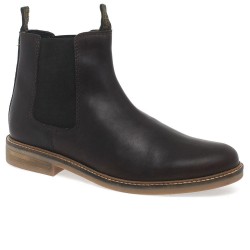
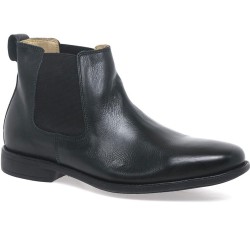

- Barbour Farsley Mens Chelsea Boots
- Anatomic And Co. Chelsea Mens Leather Boots
- Base Southwark Mens Chelsea Boots
Technical Boots
While technical boots might not be the most stylish pair of shoes you’ll own, they’re likely to be the most practical. That being said, the humble hard-working boot certainly steps into the style spotlight now and again, with iconic brands such as Timberland, Rockport and CAT holding worldwide fashion appeal.
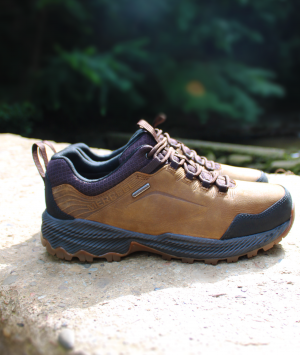
Designed to keep feet warm, dry and protected in outdoor working conditions, the technical boot is usually made from breathable, waterproof materials and feature lace-up fastenings to keep feet completely secure. Regardless of your outdoorsy aspirations (or lack thereof), they’re ideal for getting out on a hike or navigating city streets in cooler climes.
Because of their practical nature, technical boots can often look unperceptively clunky on the feet, so it’s best to stick with the outdoors theme and wear with raw selvedge denim (slim leg fit) flannel shirts and chunky knitted jumpers.
Get the look

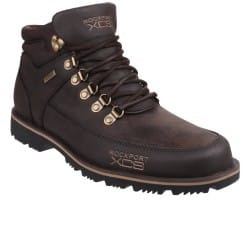
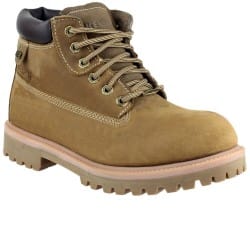
- Timberland Larchmont Chukka Mens Boots
- Rockport Treeline Hike Mudguard Mens Boots
- Skechers Sargents Verdict Mens Boots
Chukka Boots
About as casual as all-leather boots get, chukka boots’ subtle stitching and smooth surface makes them an elegant yet easily wearable pair.
Characteristically defined by their two or three eyelets and ankle-length cut, the name of chukka boots originates from the sport of Polo, chukka being a period in the game. However, the silhouette of the boot takes its inspiration from the desert boots first designed by Nathan Clark for British soldiers in Africa during WWII. This is where it gets complicated: all desert boots are chukkas, but not all chukkas are desert boots. The distinguishing feature? Desert boots can be identified by their light crepe soles, most notably seen on the iconic Clarks Originals.
Paired with chinos, the mid-weight construction of chukka boots marks them out as a clear choice for spring and summer, yet team them with wool trousers and they’ll see you stylishly through winter as well. A leather pair is a no-brainer for harsher conditions, although a suede pair treated with protector spray will work as long as you look after them.
Get the look
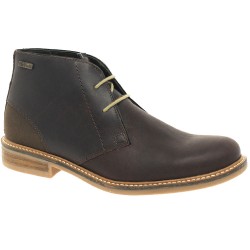


- Barbour Readhead Mens Leather Chukka Boots
- Timberland Earthkeepers Brook Park Mens Chukka Boots
- Crockett & Jones Chiltern Dark Brown Suede Chukka Boots
Dress Boots
You may already have accumulated a more than respectable formal shoe collection of black Derbies, tan brogues and brown Oxfords, but what do you pull on with your suit when the weather takes a turn for the worse?
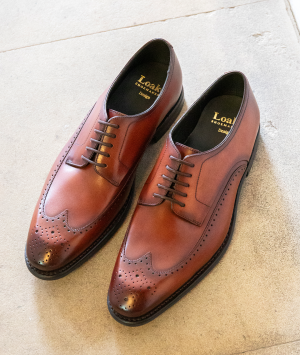
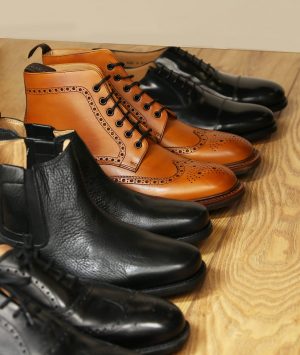
The dress boot is still a smart style and often adopts the characteristics of your traditional formal silhouettes. Perfect for gentlemen who want to retain an element of sartorial tradition, but also covet the benefits that only a robust pair of boots can provide, dress boots provide the properties required to get on with things in the cold – while looking boss. Look for pairs that reach higher up the ankle and feature heavier, rubberised soles to keep out water and add essential grip.
Ease the transition into men’s dress boots by keeping things as classic and neutral as possible. Stick to timeless colours and look for brogue detailing or Oxford toecaps, and team with weightier materials such as worsted wool, tweed or corduroy to add texture.
Get the look


- Crockett and Jones Coniston Mens Tan Lace-up Formal Boots
- Loake Bedale Men’s Lace Up Brogue
- Cheaney Tweed Mens Formal Lace Up Boots
Wellington Boots
There’s a special place in hell for soggy socks. Yet we still live on an island with weather that’s unpredictable at best, so a pair of wet-weather Wellingtons is an essential in any man’s wardrobe. Putting function first is sometimes essential, but that doesn’t mean you have to dismiss all hopes of looking remotely stylish while puddle-dodging.
First worn and popularised by Arthur Wellesley, 1st Duke of Wellington, the so-dubbed Wellington boot became a staple of hunting and outdoor wear for the British aristocracy in the early 19th century. Most often made from rubber or synthetic materials, these waterproof boots generally sit just below the knee.
To maintain a traditional approach to styling out the rain, look to brands rich in heritage, such as Barbour, Hunter and Le Chameau. Each of these classic styles has had airtime at every festival and country fair up and down the nation, and while they may be at the pricier end of the spectrum, their exceptional craftsmanship gives them the resilience to last you for years.
Get the look


- Le Chameau Vierzon 50 Mens Wellingtons
- Barbour Tempest Mens Wellingtons
- Hunter Original Neoprene Mens Wellingtons
5 things to consider when buying boots
Whether you’re buying men’s boots for formal or outdoor wear, there are a few things you may want to consider before you buy. Here’s what to look out for:
1. Are they waterproof?
Chances are you’ll be wearing your boots during the more inclement months, so the upper material needs to be resilient in order to stand up to any harsh weather. Look for pairs that have been pre-treated with water-resistant technology, or treat yours with a specialist protective solution before stepping out in wet weather.
2. Are they warmlined?
Many boots come lined with wool or synthetic materials such as Thinsulate, which provide insulation for feet in cooler climates. As a boot provides more coverage than shoes, they tend to offer more warmth anyway, so make sure you consider the conditions you’ll be wearing them in before picking the warmest pair – sweaty feet in the office are never fun.
3. When are you going to wear your boots?
If you’re taking the dog out along your favourite scenic country route, you won’t want to reach for your slick Chelsea boots — and it’s probably not a good idea to walk into the office in your wellies, either. Think about when and how you’ll actually be wearing the boots, and buy accordingly. A smart and a casual pair should be enough to cover most cold-weather occasions.
4. Will they offer enough grip?
A slim sole may look the business, but they won’t do you any favours when the paths are slippery and wet. Most winter boots are set on rubber soles that prevent moisture getting in, but check that they offer traction too – pairs with cleats and crevices will provide a better grip.
5. How functional are they?
If you’re planning outdoor activities, consider a full lace-up boot; it provides a tighter fit, while pull-on styles or zips can’t be tailored quite so securely. For extra protection from the elements, look for a gusseted tongue – meaning the tongue is attached to the sides – so you’re covered from all angles.